AI Computing Drives Thermal Management Upgrade, Surge in Demand for TIM Materials for High-Power Servers
AI large model training and inference push up server power consumption. HBM and high-power GPUs bring new cooling challenges. This article analyzes global computing infrastructure trends, reviews technical evolution of thermal interface materials, and discusses opportunities and technical challenges for material suppliers.
Global AI computing infrastructure expands rapidly. Large model training and generative AI inference keep raising per-server power consumption. New generations of GPU and HBM memory deliver much higher heat flux. Traditional air cooling hits performance limits. Thermal management is moved from late-stage mechanical selection into early chip definition.
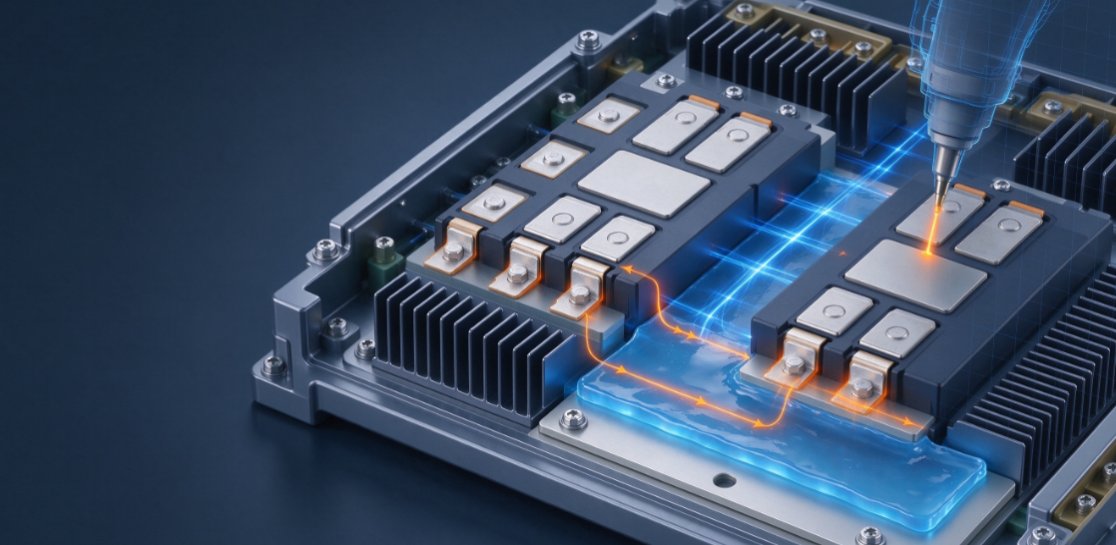
Hardware upgrade directly boosts market demand for premium thermal interface materials. Legacy servers mostly adopted standard thermal pads. New high-power computing hardware increasingly uses high-resilience pads, phase-change materials and high-conductivity thermal gels. Dense HBM stacked packaging imposes stricter requirements for low thermal resistance, low bleeding and high stability.
Two clear industry directions emerge: first, advanced composite filler formulations for higher thermal conductivity and minimal aging drift; second, rising adoption of non-silicone materials for optical modules and high-speed interconnects to avoid silicone contamination.
For hardware OEMs, thermal management is no longer secondary engineering work. Early collaboration with material suppliers accelerates R&D cycles and prevents late-stage thermal bottlenecks. We continuously track AI hardware evolution and develop thermal material solutions for next-generation high-power chips.